Repair vs. replace
How We Decide If You Need a Full Replacement
We inspect what’s underneath before quoting. Hidden rot behind 1960s–80s aluminum or early vinyl changes both scope and price — and we’d rather tell you that up front than mid-project.
How far the damage goes
A few sections is usually a repair. Warping or cracks across multiple elevations points to replacement.
What’s behind the panels
We probe a sample area. Sound sheathing can stay; wet or rotten sheathing has to come out first.
Honest recommendation
If a repair solves it, we’ll send you to repair instead of upselling a re-side.
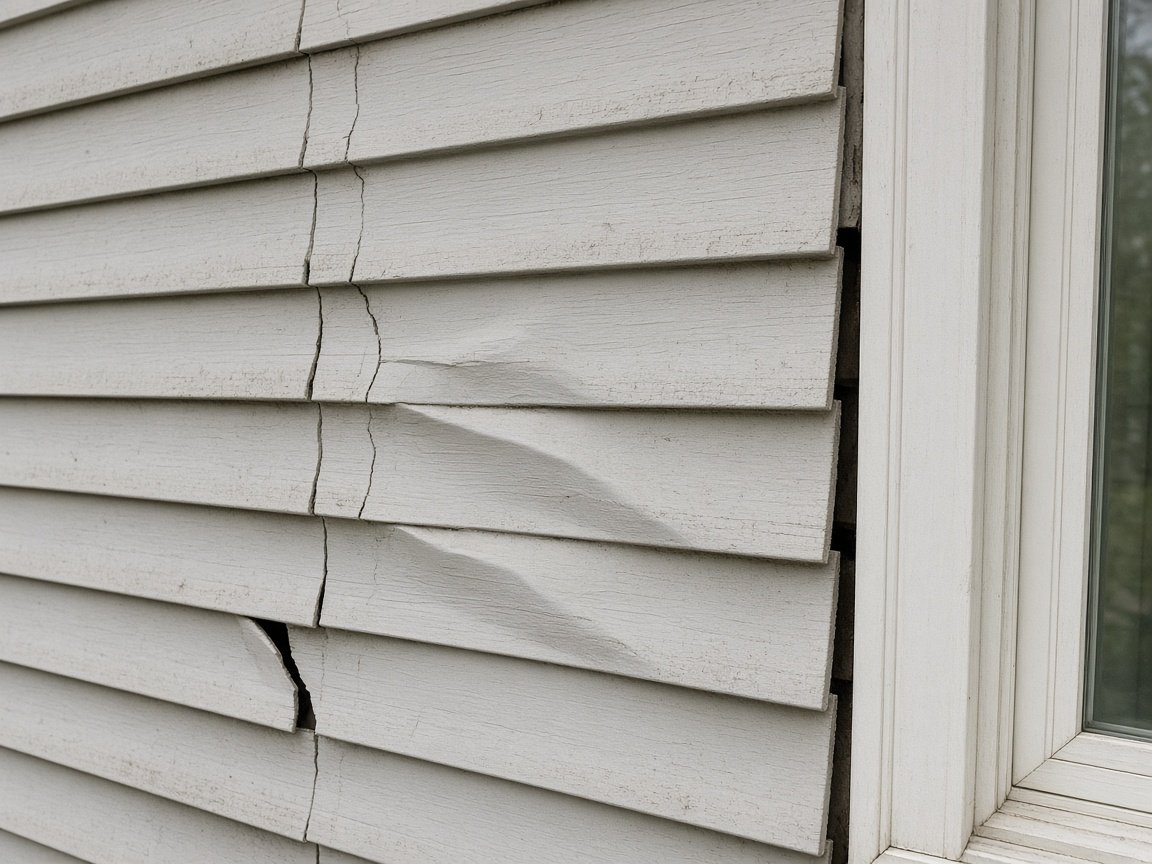
On site
What to Expect During a Full Re-Side
Tear-off & inspect
Work in sections with weather protection so walls are never left open overnight.
Wrap & flash
New house wrap and flashing go on before any finish material — overlay is not an option we recommend.
Hang, trim, clean
Panels and trim installed, dumpster and debris handled, daily cleanup included in the written estimate.
Material options
Replacement Material Options
A full tear-off is the usual moment to switch materials, because the wall is already open.
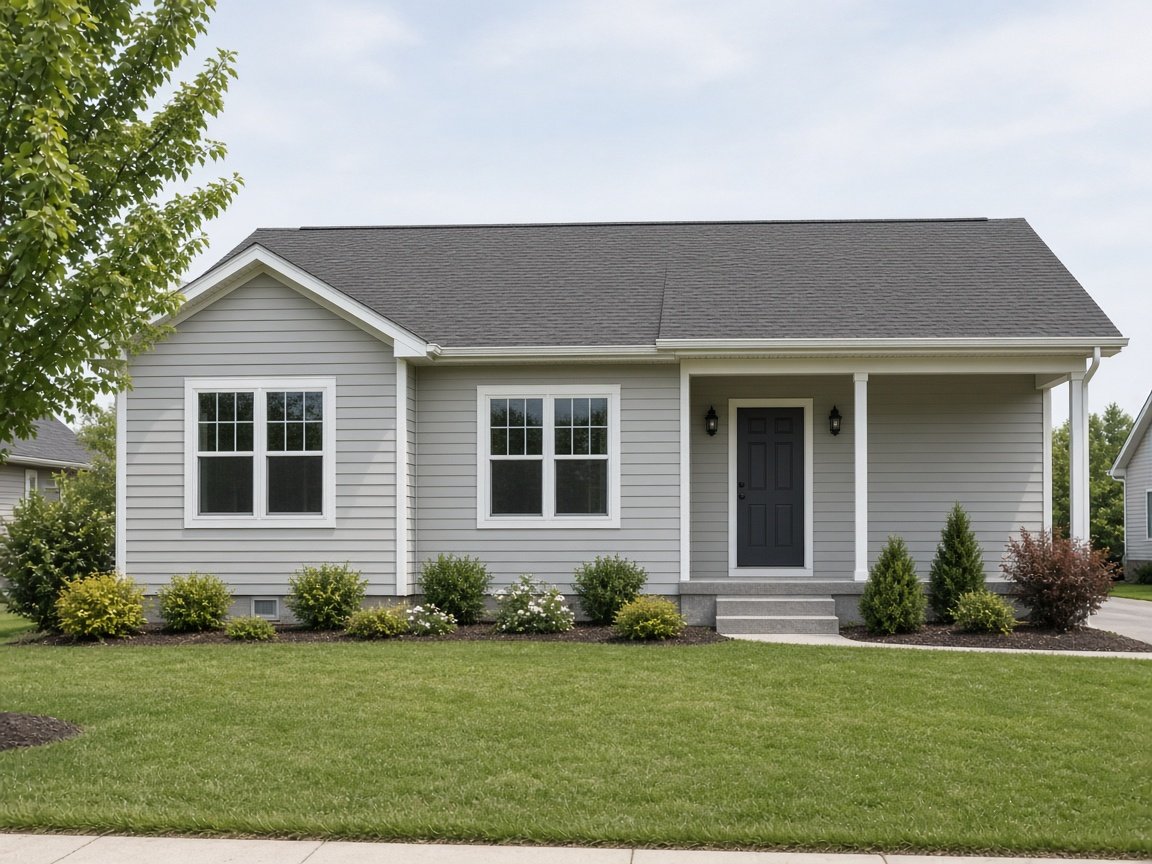
Vinyl Siding Replacement
Our most common re-side — budget-friendly, low-maintenance, with insulated options for older homes.
Vinyl replacement →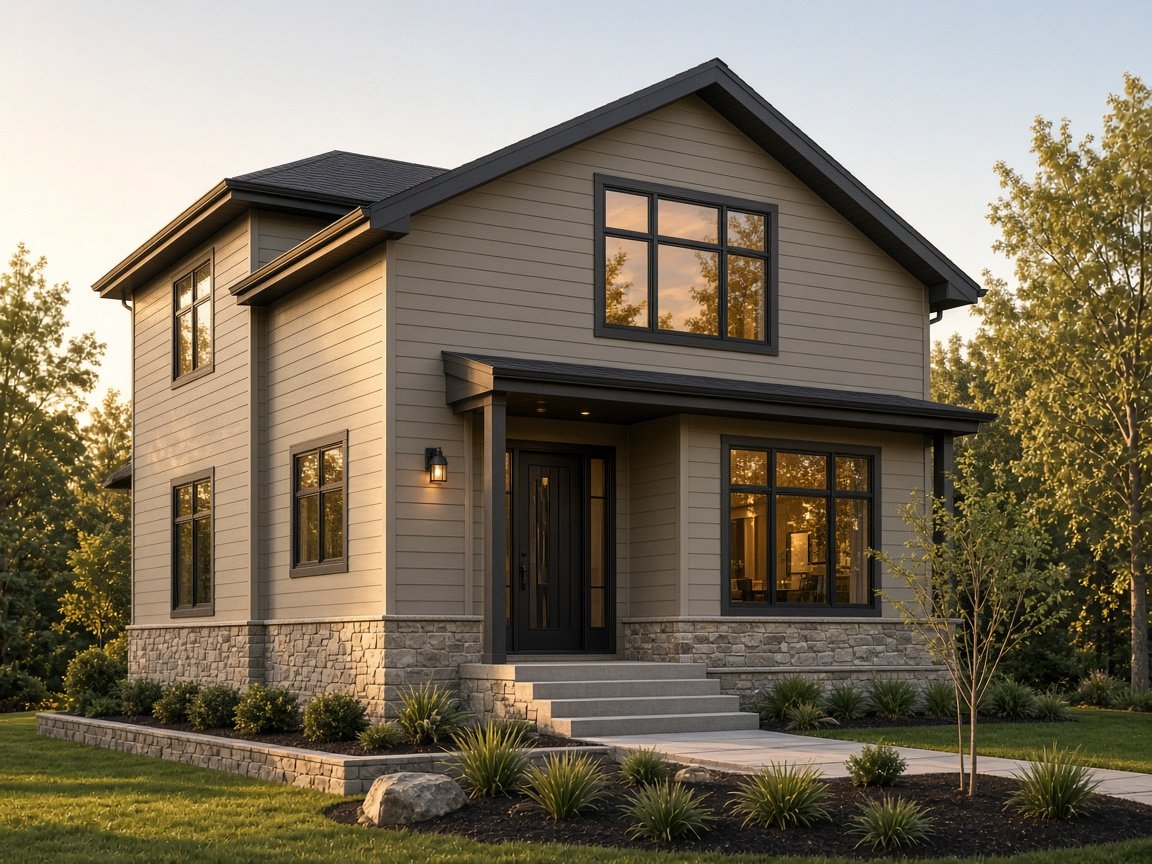
Fiber Cement Replacement
New wrap, flashing, and trim to match Hardie warranty requirements on a full re-side.
Fiber cement →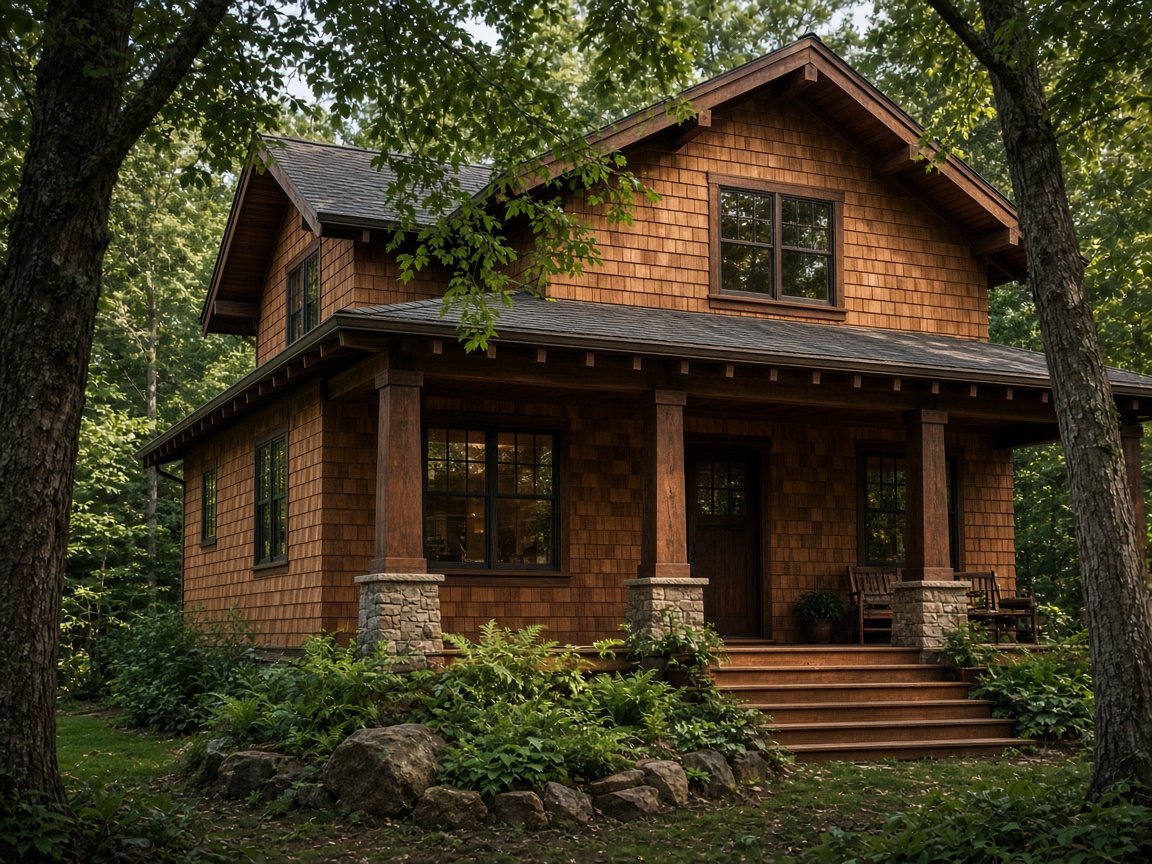
Wood & Cedar Replacement
Keeps original character with boards that are primed and sealed correctly this time.
Wood & cedar →Before you book
Common Questions About Replacement Siding
See siding repair for isolated damage, or the cost guide for tear-off vs. overlay pricing.